Stop measuring event legacy - start designing it
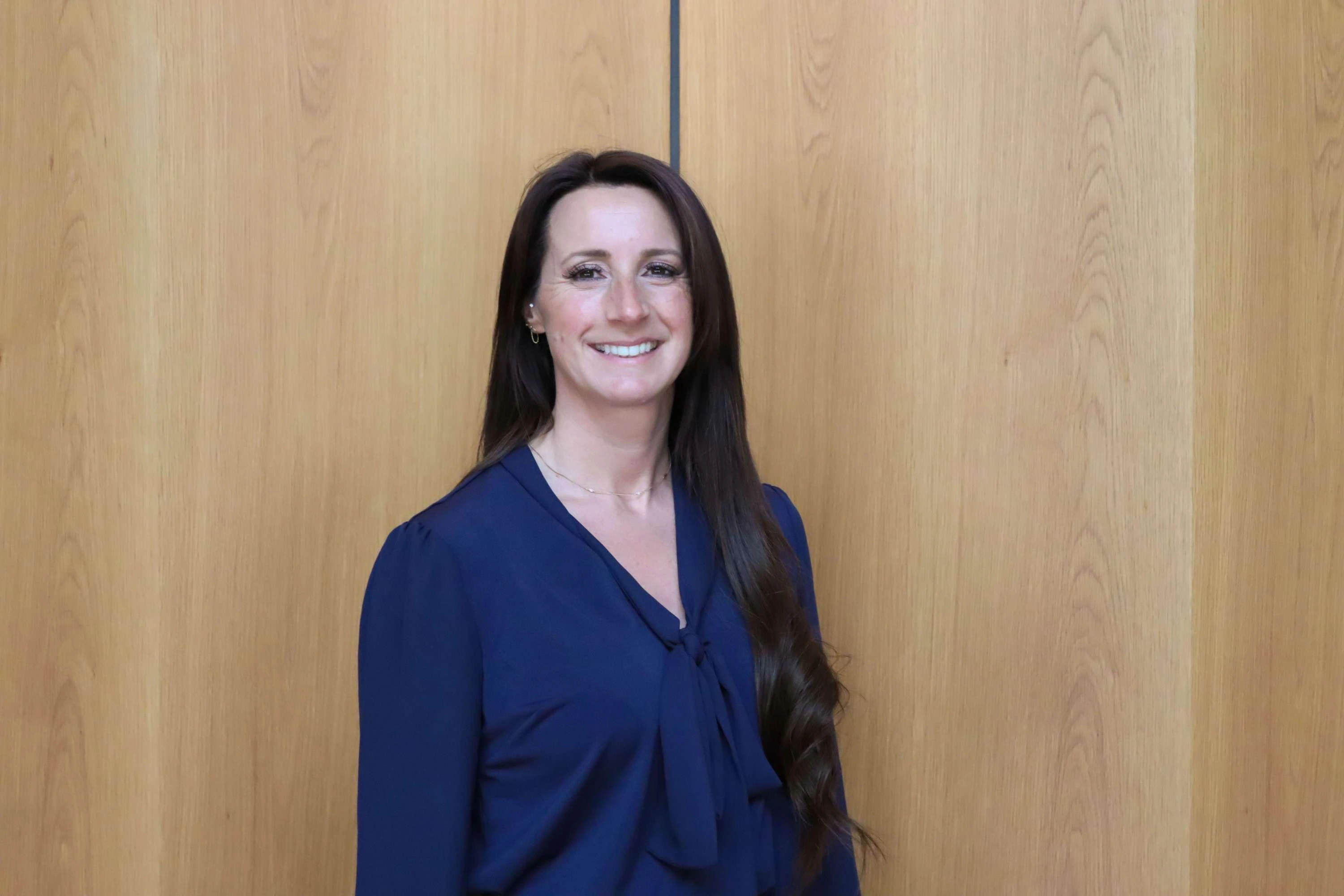
By Carly Gibbs, General Manager - International Convention Centre, Olympia Events
Legacy has become one of the events industry's favourite buzzwords. But if organisers only start thinking about it once the event is over, they may already have missed their biggest opportunities.
Legacy has become one of the event industry's favourite words.
And Carly Gibbs, general manager - International Convention Centre (ICC), Olympia Events, believes the industry needs to rethink when it starts talking about it.
“If you're only thinking about legacy after your event has finished, you're already too late,” she says.
Too often, she argues, legacy becomes something to measure in post-event reports, alongside ROI, social media metrics and stakeholder feedback, rather than something that shapes the decisions made during the planning process.
“Instead of asking, ‘What legacy did this event achieve?’ you should be asking, ‘What legacy are we trying to create?’”
And that question, she believes, should be answered before planning even starts.
It was a theme Gibbs explored during a panel discussion at The Meetings Show, looking at how organisers, venues and destinations can work together to create events that have an impact far beyond the final session.
For Gibbs, that means considering legacy from three perspectives: what delegates take away from the experience, what impact the event can have on the local community, and what the organising organisation itself learns.
What happens when delegates go home?
The first is perhaps the most obvious - but it goes beyond whether delegates enjoyed the event or learned something during a session.
“What do you want delegates to take away from the experience?” asks Gibbs. “Not just in terms of learning, but in what conversations will continue, what behaviours might change and what actions you want them to take back to their own organisations.”
An event can be successful in the immediate sense - good attendance, positive feedback, strong speakers - without necessarily changing anything once delegates return home.
For Gibbs, the longer-term outcome needs to be part of the event's design rather than something identified retrospectively.
Think beyond the delegate list
The second question is broader: what impact could an event have on the community around it?
“How can you create opportunities for people who may never attend the event itself but can still benefit from the learnings, expertise and content it delivers?” she asks.
One example discussed by Steve Daun, head of sales for associations at Legends Global, demonstrates what that can mean in practice.
The UK Stroke Conference in Aberdeen, hosted at a fellow Legends Global-managed venue, invited 300 local schoolchildren to take part in workshops with healthcare professionals. The programme helped them recognise the signs of a stroke while also introducing them to careers in healthcare.
Follow-up surveys found that every child who took part could confidently identify the signs of a stroke.
“That's a legacy that extends far beyond the delegate list, creating a lasting impact for the next generation,” says Gibbs.
For her, the example also illustrates the potential value of sharing ideas between venues.
“It's also an example of how venues like Olympia benefit from being part of a wider venue portfolio, like Legends Global. Ideas and successful legacy initiatives can be easily shared between venues, giving organisers access to proven approaches that can be adapted and built upon rather than starting from scratch.”
The legacy inside the organisation
Gibbs also believes organisers need to consider what an event leaves behind internally.
“What learnings will your own organisation gain?” she asks. “Every event should leave a legacy internally, making the next one stronger than the last.”
That could mean taking lessons from delegate behaviour, programme design or stakeholder engagement and applying them to future events.
The important thing is that those conversations happen early.
“Too often, legacy becomes something that's discussed once the venue has been booked and the programme is almost complete,” says Gibbs. “By then, many of the biggest opportunities have already been missed.”
That can require organisers to challenge clients and rethink what an event is trying to achieve.
“It also requires confidence - sometimes it means challenging clients to think differently, sharing examples of what's possible and identifying where an event can genuinely make a difference rather than creating initiatives simply to tick a box.”
The impact doesn't end when the event does
The preparations for the World Scout Conference, which will return to Olympia in 2027, provide another example of how legacy can extend beyond the event itself.
Tom Hylands at the World Organisation of the Scout Movement highlighted that success will not simply be measured by what happens during the conference.
The organisation represents more than 170 national Scout organisations, meaning the ideas generated at the event have the potential to travel much further than the venue.
“The real legacy is created when ideas are shared, adapted and put into practice long after everyone has travelled home,” says Gibbs.
The ultimate test will come four years later, when those organisations return for the next World Scout Conference.
“The true measure of impact will be the opportunity to share how those ideas have been embedded, refined and built upon within their own Scouting communities.”
For Gibbs, that illustrates an important point: the people physically attending an event represent only the beginning of its potential impact.
“Every delegate represents a much wider network. The true impact of an event isn't confined to those in the room – it's measured by the people and communities they go on to influence.”
A different role for venues
“We're no longer simply providers of space,” says Gibbs. “We should be partners who understand the communities around us, connect organisers with local charities, businesses and community groups, and help uncover opportunities that might otherwise be overlooked.”
That could involve donating or repurposing leftover goods, creating volunteering opportunities for delegates or working with local schools to inspire future careers. Olympia's Charitable Trust is one example, providing practical support to local organisations and community projects.
But Gibbs believes the wider opportunity lies in collaboration between organisers, venues and destinations.
“Creating meaningful legacy isn't something organisers, venues or convention bureaux can achieve alone,” she says. “It relies on collaboration, knowledge-sharing and an equal commitment to delivering something with purpose.”
For Olympia, that means working with organisers to understand the social impact they want their events to have and then helping connect them with the appropriate local partners.
There is also potential for associations whose events rotate between venues to develop legacy programmes over several years and across multiple destinations.
Measure it from the start
“Measuring that impact remains one of our biggest challenges,” says Gibbs.
Economic benefits are relatively easy to quantify, she argues, while social impact can take months or years to become visible.
“It’s important to decide at the outset what success looks like and how it will be measured,” she says. “Without clear objectives, it's difficult to demonstrate the real value an event has created.”
That may become increasingly important as organisers face continued pressure on budgets and are required to demonstrate more clearly why their events matter.
“Organisers need stronger ways to differentiate their events and demonstrate value,” says Gibbs.
“Legacy offers exactly that. Not because it's the latest industry buzzword, but because the most memorable events don't simply deliver great experiences over a few days.
“They leave people, organisations and communities better than they found them for years to come.”
Originally published on M&IT Magazine. Source: Stop measuring event legacy - start designing it | Meetings & Incentive Travel