The Evolution of Venue Security
By Stuart Tomlinson, Venue Services Director, Olympia Events.
For many years, security in venues was something that happened at the edges of an event. It meant a search lane at the door, a few guards in high-vis jackets, and a supplier list that was only reviewed every couple of years just to make sure the right licences were still in place. It did the job, but it wasn’t really part of the experience.
That approach no longer reflects the reality of how major venues operate today.
Venues like Olympia are no longer single-purpose exhibition spaces that come to life only on show days. They are destinations that operate seven days a week, often hosting multiple events and audiences at the same time. In that environment, security cannot sit separately from the rest of the operation, it has to be integrated into the way the whole site functions.
Most organisers are already used to thinking in terms of risk assessments when it comes to safety: identifying risks, mitigating them and planning how to respond if something goes wrong. Security is simply another part of that same discipline. The difference now is that responsibility is becoming more clearly shared, particularly for venues that manage complex estates.
Put simply, when thousands of people are on site at the same time, security cannot be fragmented. Different suppliers arriving for different events, each with their own processes and levels of familiarity with the venue, makes coordination harder and consistency more difficult to maintain. A joined-up approach creates a clearer operational picture and allows venues to plan holistically across the whole estate rather than dealing with individual events in isolation.
But security isn’t only about risk management; it is also a key part of the customer journey and experience.
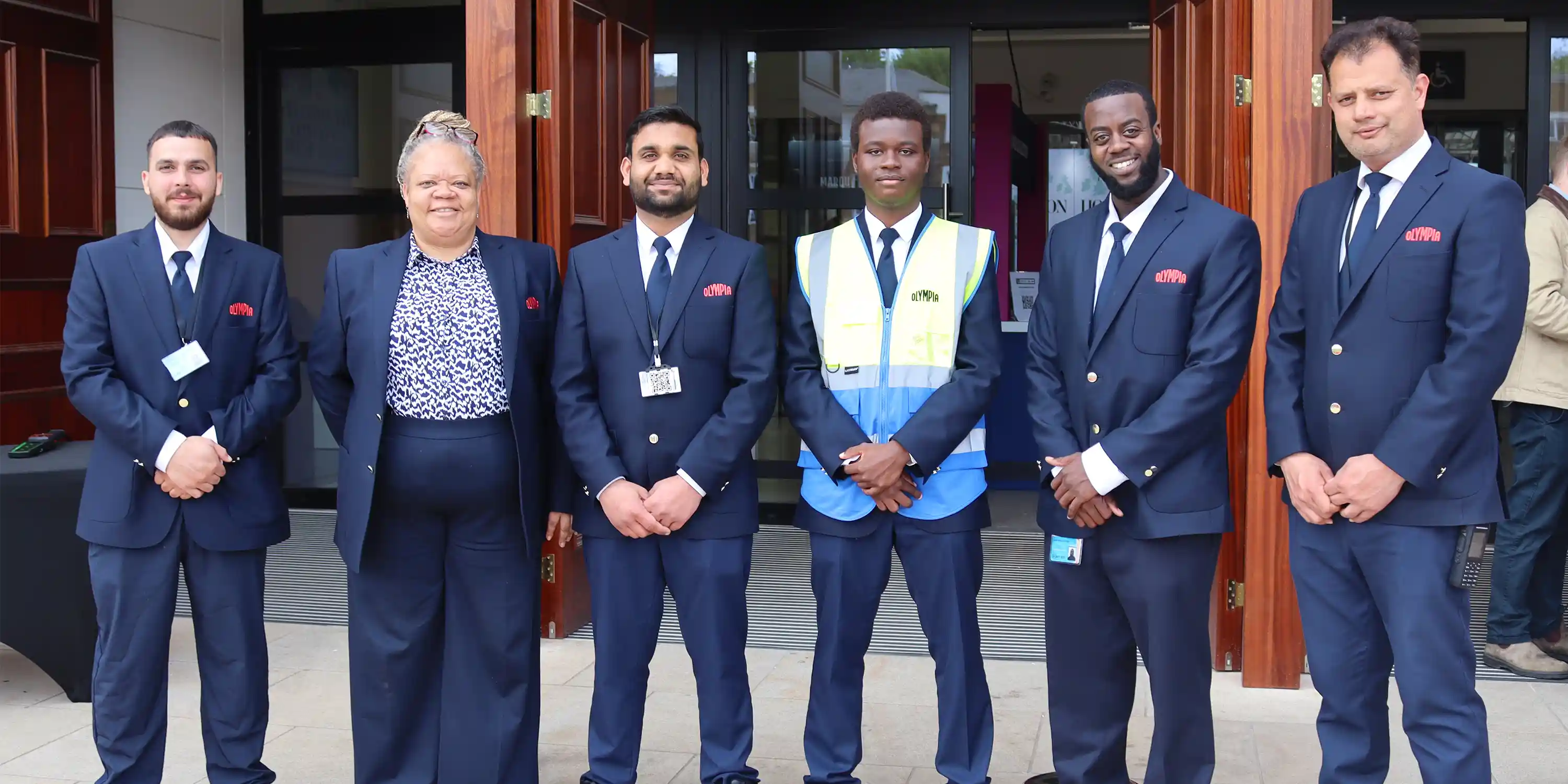
At Olympia, this has meant implementing a more integrated model, bringing event security under specialist partnerships while strengthening coordination across the wider estate. By appointing chosen security suppliers, we have created a more consistent and aligned approach across the site. Combined with CSP’s continued role in logistics and stewarding, this allows us to manage security, movement and operations as one connected system rather than separate functions. It’s a shift that delivers organisers greater confidence, improves consistency for visitors and ensures the estate is being managed as a whole, not in silos.
Security teams are often the most visible people on site. They are usually the first people a visitor approaches if they are lost, feeling unwell, unsure where to go or simply looking for help. That means they play a role that goes well beyond checking tickets or monitoring entrances. In a modern venue environment, they are also an important part of the customer experience.
That requires a different mindset - security teams need the same level of understanding of the venue as other frontline staff. They need to know how to direct visitors, how to communicate clearly and how to create an environment that feels welcoming rather than intimidating. In short, they need to operate as customer-facing professionals who also carry a safety responsibility.
This shift is also important for another reason: visible security plays a role in prevention.
In the security world, there is a concept known as “security posture”. It is not about creating a fortress-like atmosphere but about making it clear that a venue is well managed, well observed and ready to respond if something feels out of place. Research consistently shows that individuals who intend to cause harm tend to test locations beforehand. If they believe a venue is alert, coordinated and confident in its operations, they are far less likely to target it.
That posture comes from people as much as processes. It is created by well-trained staff, clear communication and a visible presence across the site. It also comes from the ability to respond effectively if something does happen. Lessons from incidents in public venues over the past decade have reinforced the importance of preparation: coordinated response plans, accessible trauma kits and teams that have practised how they would react in a real emergency.
None of this needs to make events feel more restrictive. In fact, the opposite should be true. When security is integrated properly into venue operations, it removes duplication, improves coordination and allows the experience to run more smoothly for organisers and visitors alike.
Ultimately, people attend events because they want to feel welcome, comfortable and looked after and safety is a fundamental part of that experience. When security becomes part of the core of venue operations, the industry has an opportunity to raise standards while creating environments that feel both safer and more welcoming for everyone who attends.
Originally published in Event Industry News' Event Summer Guide. Source: https://view.publitas.com/event-industry-news/the-summer-event-guide-2026/page/44-45