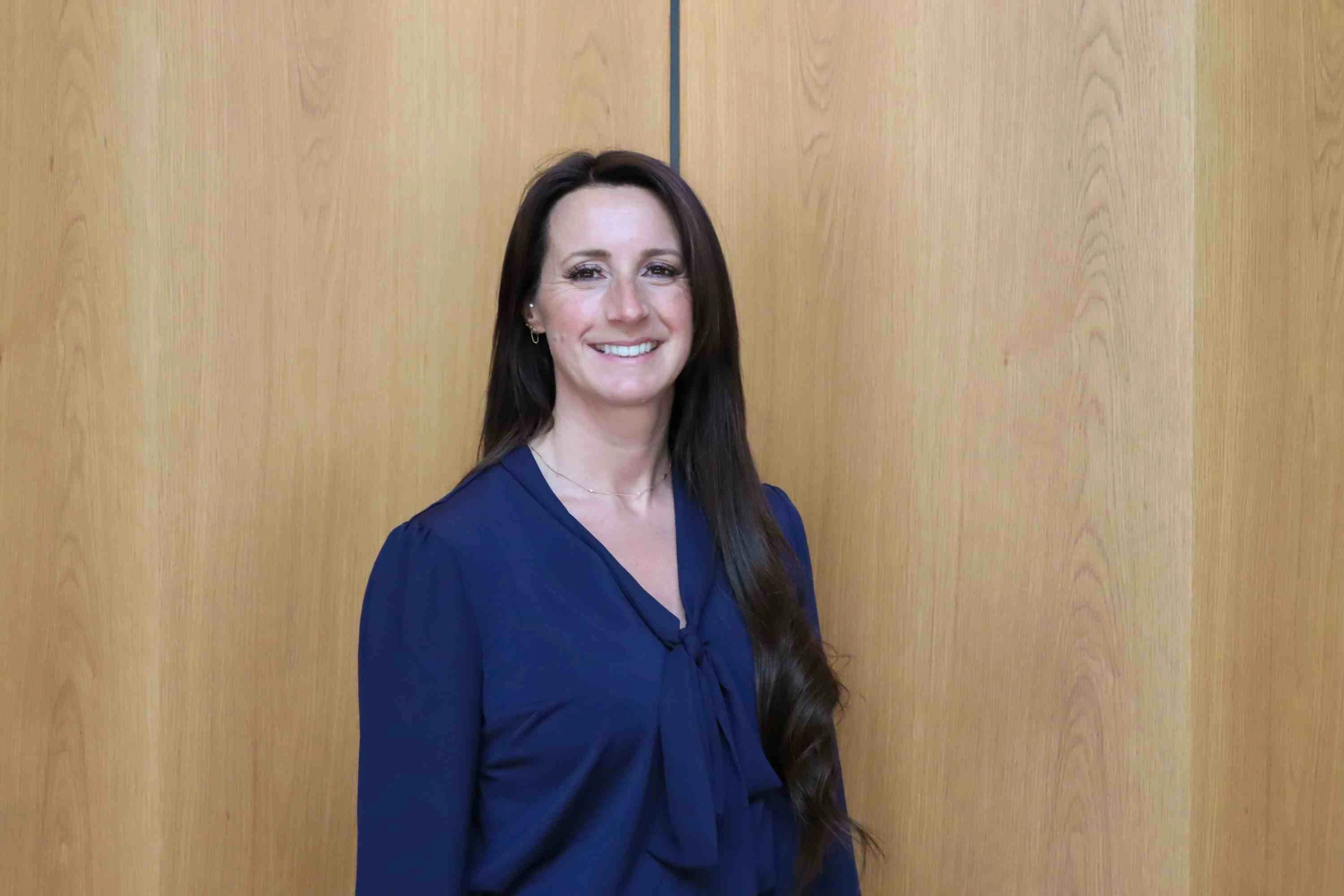
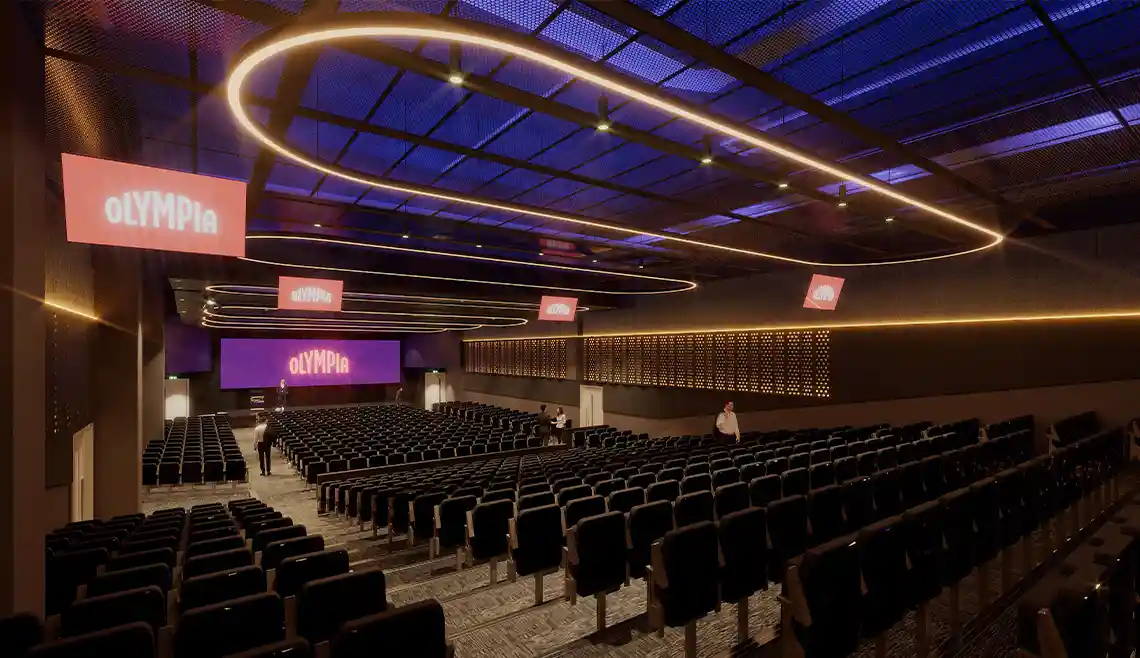
The Unsung Hero: Sabrina Pilides, service delivery for event IT at Olympia
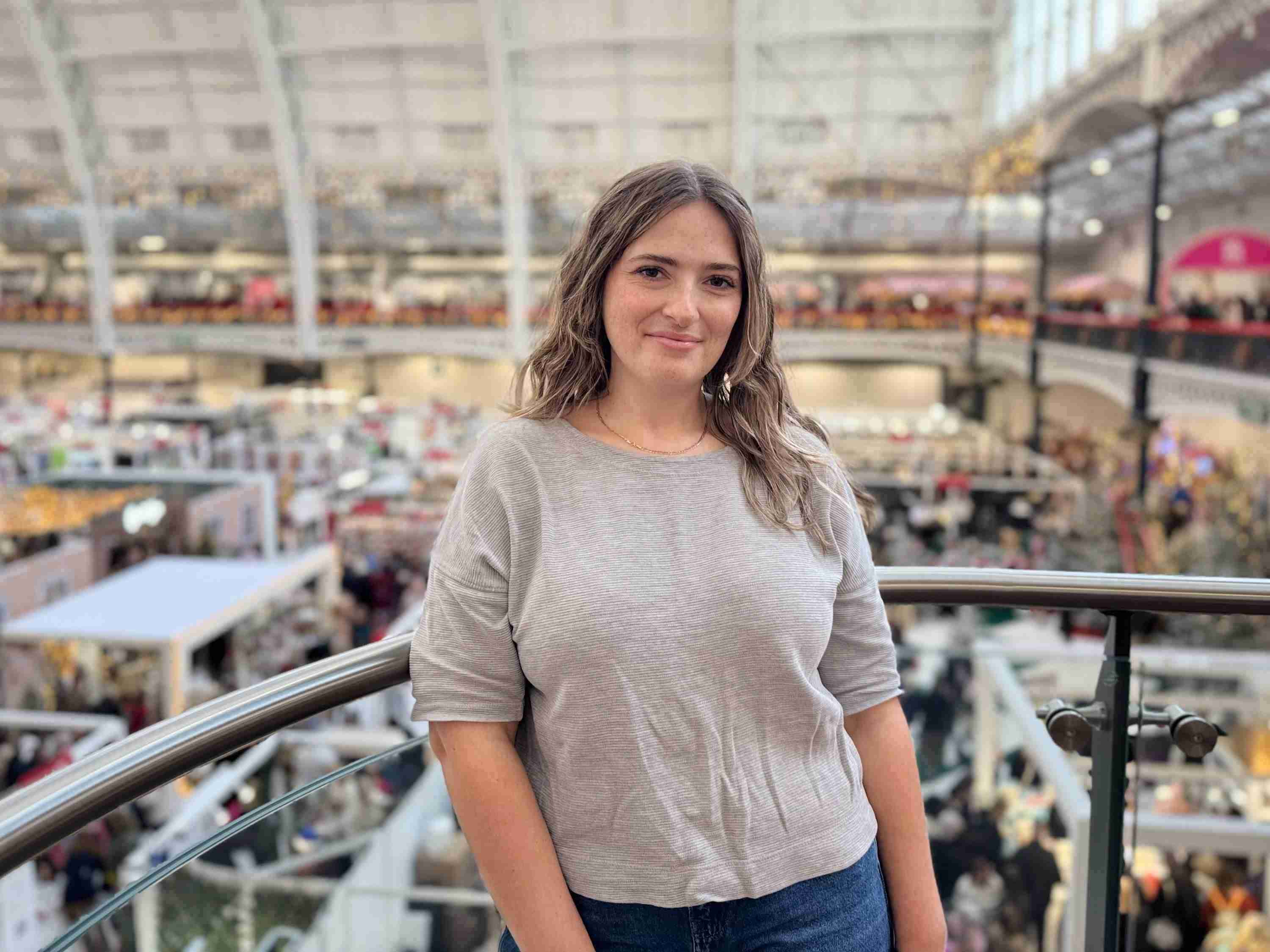
By Sabrina Pilides, Service Delivery Manager - Event IT Services, Olympia Events
In the first edition of this series, we meet Sabrina Pilides, service delivery manager for events IT at Olympia. Her role touches every part of an event, from registration, ticketing and live-streaming to payments and social media. As she puts it: “Every part of the visitor and exhibitor experience relies on the infrastructure working. If the network falls over, the event can fall over. We work incredibly hard to make sure that never happens.”
Pilides studied event management at Leeds Beckett University, where she discovered her passion for the planning and problem-solving needed to bring an event to life. After graduating, she knew she wanted to stay close to operations and take on a hands-on role. That path led her into the technical side of events, an area she hadn’t initially considered, but one she quickly grew to love.
Olympia became her first job out of university and she has never left. The role combines everything she enjoys and excels at. She works closely with organisers and exhibitors while also playing a vital part in pre-sales: speaking to clients even before contracts are signed, helping them articulate what they want to achieve, and showing them what’s possible within Olympia’s venues. She says: “Technology touches so many parts of an event and my role enables me to be involved from the very first conversation.”
Pilides describes her position as the glue that holds the internal ecosystem together. She says: “My role helps to bring everything together behind the scenes because I work across operations, sales, organisers, exhibitors and AV. I often act as the connector that brings all the different departments together. Organisers trust us to recommend the right solutions, and I’m essentially the translator between my very technical team and non-technical organisers.”
Yet for all its importance, hers is a role that often goes unnoticed – something she believes deserves more recognition. She says: “People in my position deserve more credit because the role is invisible when it’s working, and extremely visible when it’s not. It takes a huge amount of planning to be invisible.”
Strangely, invisibility is also the biggest compliment. She explains: “If we don’t get calls, it means everything is working exactly as planned. When organisers walk in and it’s simply ‘morning – tea?’ instead of ‘help!’, that’s when we know we’ve done our job well.”
Quick Q and A:
What does a typical day look like for you on-site?
I start by checking in with the installations and networking teams to make sure everything went to plan. Then I update them on any last-minute changes. Opening mornings are usually a quick check-in with the organiser – then constant monitoring, checking orders with exhibitors and making sure everything is running exactly as it should.
If your job didn’t exist, what would organisers or attendees miss most?
The advice I give. I like to think of myself as a translator – I explain technical things in a way that makes sense to everyone. Without someone acting as that middle person, it could quite easily feel like a minefield for organisers and exhibitors. And we’re real people – we are at the end of the phone, or at the end of a Teams call – just ask us, no question is silly.
What’s something most people don’t realise about your job?
The amount of time and planning that goes into it. People assume technology on a stand is “plug and play”, but that plug and play only works because weeks of work have gone into planning the infrastructure. Once carpet and flooring go down, accessing anything becomes much harder. With back-to-back events, the sequencing becomes incredibly important – we often need things in earlier than people expect.
What’s the toughest challenge you’ve faced during an event?
Last-minute orders – especially for hard-wired connections on raised floors. My team will always bend over backwards to help, but there are moments where we simply have to say no. We always try to find a workaround, and it’s really tough when an exhibitor is depending on it.
What’s one event you’ll never forget working on, and why?
Toy Fair. I first worked on it as a student doing a day’s work experience, and it’s still one of my favourites today. The atmosphere is so happy and playful, and the toy parade – a procession of mascots marching through the venue – is just unforgettable.
That seamless experience belies an enormous amount of preparation. The team’s cabling infrastructure may look like “plug and play”, but, as Pilides notes, people often forget the weeks of planning behind it. Early communication is crucial, she explains: “Thinking about tech requirements even a week earlier, a month would be ideal, makes a huge difference. We’re based on-site so we can support last-minute issues, but planning makes life better for everyone.”
The pace of change has accelerated rapidly. “We’ve basically hit fast-forward,” she says.
The rise of AI, VR, streaming and contactless everything has transformed expectations across the industry. Tech-focused events grow bigger every year, and even traditionally non-tech events now rely heavily on connectivity, data and digital touchpoints. Pilides and her team have to constantly evolve, brainstorm new approaches and adapt to whatever organisers want to deliver next.
Behind every smooth-running show at Olympia is an intricate network of expertise, foresight and quiet heroics. Pilides embodies the unsung workforce that keeps the industry standing – especially when no one notices at all.
Originally published on Exhibition News. Source: https://exhibitionnews.uk/the-unsung-hero-sabrina-pilides-service-delivery-manager-for-event-it-at-olympia/